
Car Lifts
Is it worth buying a car lift? Explore the Pros and Cons.

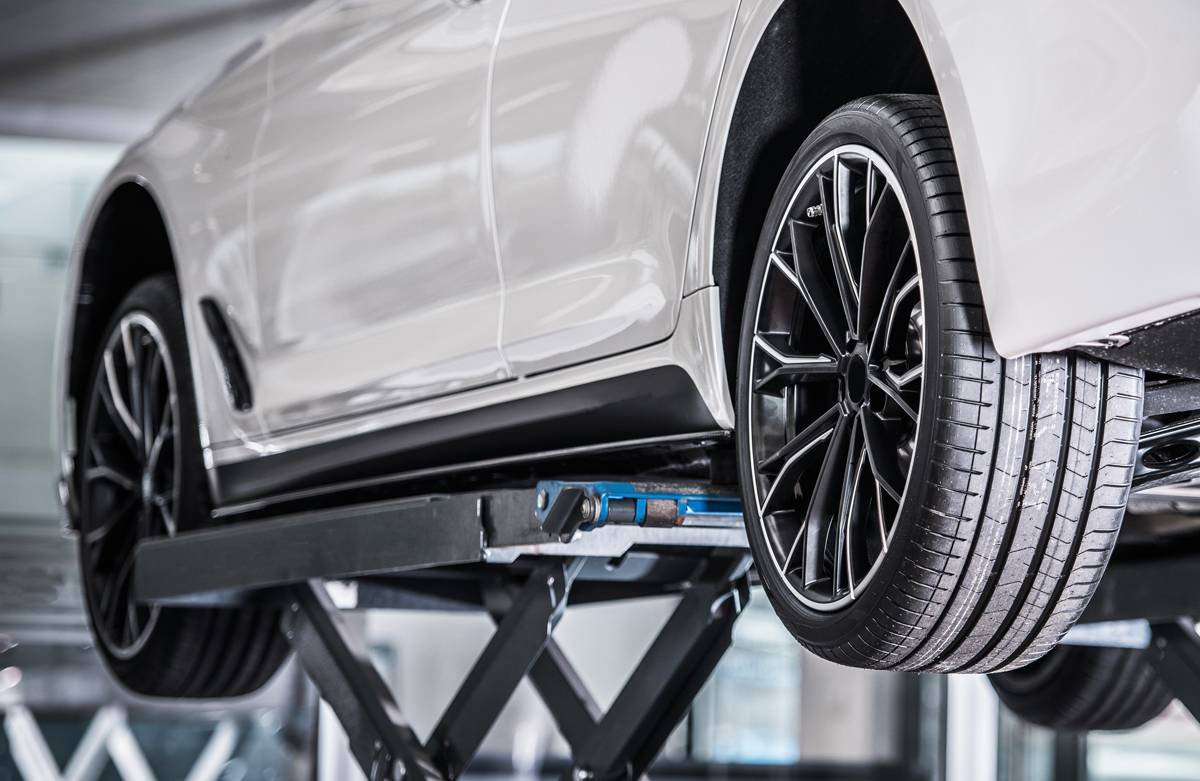
Investing in a car lift can be a significant decision for car enthusiasts and those with multiple vehicles, offering both advantages and disadvantages. A car lift provides additional parking space and improves garage storage, protecting vehicles from the elements and potential damage. It also simplifies maintenance and repairs, making it easier to work on vehicles. However, there are some drawbacks to consider, such as the upfront cost of purchasing and installing a car lift, the space requirements in the garage, and the need for regular maintenance.
Key Takeaways:
- A car lift offers additional parking space and improves garage storage.
- It protects vehicles from the elements and potential damage.
- A car lift simplifies maintenance and repairs.
- Consider the upfront cost and space requirements before investing in a car lift.
- Regular maintenance is necessary to keep a car lift in good working condition.
The Benefits of Owning a Car Lift
There are several advantages to buying a car lift, making it a worthwhile investment for those who value convenience, protection, and efficient use of garage space. Storing vehicles on a car lift provides additional parking space, allowing you to maximize the capacity of your garage. With a car lift, you can easily stack cars vertically, freeing up valuable floor space for other purposes. This is particularly beneficial for car enthusiasts or those with multiple vehicles, as it allows them to securely store their prized possessions while still having room for other items.

Aside from the space-saving benefits, a car lift offers protection for your vehicles. By elevating them off the ground, you can prevent damage caused by flooding, leaks, and rodents. It also keeps your cars safe from potential dings and scratches that can occur in crowded parking areas. Additionally, during inclement weather, storing your vehicles on a car lift protects them from hail, falling branches, or any other outdoor hazards.
Maintenance and repairs are made easier with a car lift. It provides easy access to the undercarriage of your vehicle, allowing you to easily inspect, clean, and repair it. This eliminates the need for crawling under the car or struggling to lift it with jacks and stands. Whether you’re performing routine maintenance tasks or tackling more extensive repairs, a car lift simplifies the process and saves you time and effort.
The Convenience of Car Lifts
“Having a car lift in my garage has been a game-changer,” says John, an avid car enthusiast. “I no longer have to worry about finding parking space for my collection, and the convenience of having my cars readily accessible for maintenance and repairs is unmatched.”

Car lifts come in various types, such as 2-post lifts, 4-post lifts, portable lifts, and scissor lifts, each offering unique advantages. It is essential to choose the right one based on your specific needs and available space. Some car lifts can accommodate larger vehicles, while others are more suitable for compact cars or limited garage sizes. To determine the best car lift option for you, consider factors such as lifting capacity, installation requirements, and overall durability.
While investing in a car lift involves upfront costs and maintenance responsibilities, the benefits it offers make it a worthwhile investment for car enthusiasts and those looking to optimize their garage space. With the convenience, protection, and increased functionality it provides, a car lift can significantly enhance your automotive ownership experience.
The Drawbacks of Owning a Car Lift
While owning a car lift has its benefits, there are also some drawbacks to consider before making a purchase. One of the main concerns is the significant upfront cost. Purchasing and installing a car lift can be a substantial investment, especially if you opt for high-quality models that ensure durability and safety. It’s essential to factor in not only the cost of the lift itself but also any additional equipment needed for installation.
Another drawback relates to the space requirements in your garage. Car lifts take up a considerable amount of room, which can be a challenge if you have limited space. You need to ensure that your garage has sufficient ceiling height and floor space to accommodate the lift and allow for maneuverability. Furthermore, keep in mind that installing a car lift may limit your storage options in the garage, as it occupies a significant portion of the available floor area.
Maintenance is another factor to consider. While car lifts are generally durable, they do require regular maintenance to ensure their proper functioning and safety. This may involve periodic inspections, lubrication of moving parts, and cleaning to prevent the buildup of dirt and debris. The cost and time commitment involved in maintaining a car lift should be taken into account when assessing the overall benefits and drawbacks.
Drawbacks of Owning a Car Lift Considerations Significant upfront cost Factor in the cost of the lift and installation equipment Space requirements in the garage Ensure sufficient ceiling height and floor space Potential limitation on storage space Consider the impact on available floor area Regular maintenance Account for the cost and time commitment
Despite these disadvantages, a car lift can be a long-lasting convenience and provide numerous benefits. It can protect your investment by keeping vehicles off the ground, which helps prevent damage from floods, leaks, and pests. A lifted car is also less vulnerable to door dings and scratches. Additionally, a car lift simplifies maintenance and repairs, as it allows easy access to the underside of the vehicle, eliminating the need for jacks and jack stands. It also saves time and effort, making DIY projects more manageable.
Ultimately, weighing the drawbacks against the benefits of owning a car lift is crucial in determining if it’s the right choice for your needs. Considering the cost, space limitations, and maintenance requirements is essential for making an informed decision that aligns with your budget and garage setup.
The Cost of Buying and Installing a Car Lift
Understanding the cost implications of purchasing and installing a car lift is crucial for deciding whether it is a worthwhile investment. While the benefits of owning a car lift are numerous, it’s essential to consider the financial aspects and weigh them against your specific needs and budget.
The cost of a car lift can vary depending on several factors, including the type of lift, its capacity, and additional features. On average, a quality car lift can range from $1,000 to $10,000 or more. Higher-priced options often come with advanced safety features, better durability, and increased weight capacity.
Installation costs should also be taken into account. Professional installation is recommended to ensure proper setup and safety. The installation cost can range from $500 to $2,000, depending on the complexity of the installation and any additional modifications required in your garage.
Expense Average Cost Car Lift $1,000 to $10,000+ Installation $500 to $2,000
In addition to the upfront costs, it’s important to consider ongoing maintenance expenses. While routine maintenance is relatively affordable, you should budget for occasional repairs or replacements of parts. Keeping your car lift in good working condition will ensure its longevity and safe operation.
Despite the financial investment involved, a car lift can provide long-term benefits and convenience. It offers additional parking space, improves storage capacity, and protects your vehicles from potential damage. Moreover, it simplifies maintenance and repairs, making it easier to work on your vehicles. Consider your specific needs, budget, and garage space before making a decision.
Maintenance Considerations for Car Lifts
Proper maintenance is essential for ensuring the longevity and optimal performance of a car lift. Regular inspections, lubrication, and cleaning are key to keeping your car lift in top shape. By following these maintenance practices, you can extend the lifespan of your lift and prevent costly repairs or replacements.
One important aspect of car lift Maintenance is conducting regular inspections. It is recommended to inspect the lift for any signs of wear, such as loose bolts or hydraulic fluid leaks. Additionally, check the cables and chains for any signs of fraying or excessive wear. By identifying and addressing issues early on, you can prevent further damage and ensure the safety of your lift.
Lubrication is another crucial maintenance task for a car lift. Apply lubricant to the moving parts, such as the pivot points and pulleys, to reduce friction and promote smooth operation. Regular lubrication not only extends the lifespan of these components but also prevents annoying squeaks or jams that can hinder your work.
Lastly, keeping your car lift clean is essential for both its functionality and appearance. Regularly remove dirt, debris, and any accumulated grime from the lift’s surface, as well as around the hydraulic cylinders and control panel. This prevents the buildup of contaminants that can affect the lift’s performance and potentially cause damage over time. It also provides a safer and more pleasant working environment.
Maintenance Tips for Car Lifts Conduct regular inspections for signs of wear and damage. Apply lubricant to moving parts to reduce friction. Keep the lift clean by removing dirt and debris.
By following these maintenance considerations, you can ensure that your car lift remains in optimal condition, providing you with the convenience and functionality you need. Remember to consult the manufacturer’s guidelines for specific maintenance requirements and intervals, as different types of lifts may have varying maintenance needs. With proper care, your car lift can serve you for many years to come.
Exploring the Best Car Lift Options
Choosing the right car lift can be overwhelming, but understanding the available options can help narrow down the choices. Whether you’re a car enthusiast looking to maximize your garage space or a professional in need of a reliable lift for your repair shop, there are several high-quality car lift options to consider.
2-Post Lifts
One popular option is the 2-post lift, which offers excellent stability and accessibility. These lifts have two posts on either side of the vehicle, allowing for easy access to the undercarriage. They are typically less expensive than other types of lifts and are a great choice for smaller garages where space is limited.
4-Post Lifts
If you’re looking to maximize your garage space, a 4-post lift might be the right choice for you. These lifts provide excellent stability and can support heavier vehicles. With a 4-post lift, you can park one vehicle on the lift and another underneath, effectively doubling your available parking space. However, it’s important to note that 4-post lifts require proper measurements and may require additional electrical power.
Scissor Lifts
Scissor lifts are another popular option, especially for those working on vehicles with low ground clearance. These lifts use a scissor-like mechanism to raise the vehicle, providing ample clearance for maintenance and repairs. They are often more compact and versatile than other lift options, making them a great choice for smaller garages.
Lift Type Advantages 2-Post Lifts Easy access to undercarriage, cost-effective, suitable for smaller garages 4-Post Lifts Maximizes garage space, stable, supports heavier vehicles Scissor Lifts Low ground clearance, compact, versatile
Each type of car lift has its own benefits and considerations, so it’s important to evaluate your specific needs before making a decision. Consider factors such as the size of your garage, the weight of the vehicles you’ll be lifting, and any additional features you may require, such as hydraulic systems or adjustable height options. By understanding the available options and considering your individual requirements, you can choose the best car lift for your needs and enjoy the convenience and benefits it provides.

The Growing Popularity of Car Lifts in Residential Homes
Car lifts are no longer just for commercial use, as more homeowners are recognizing the value they bring to their domestic garages. These versatile pieces of equipment provide numerous benefits that make them an attractive addition to residential properties.
One of the primary advantages of owning a car lift is the ability to maximize garage space. With the increasing number of households owning multiple vehicles, finding adequate parking space can be a challenge. A car lift allows homeowners to utilize the vertical space in their garages effectively, creating additional parking spots for their vehicles. By stacking cars on top of each other, homeowners can optimize the available area and ensure the safety of their vehicles.
Furthermore, car lifts offer protection for vehicles from the elements and potential damage. By elevating cars off the ground, they are shielded from water, dirt, and other environmental hazards that can cause rust and paint damage. This is especially beneficial for classic cars or vehicles that are not driven regularly. Car lifts also make maintenance and repairs easier, as they provide better access to the undercarriage and allow mechanics to work comfortably and safely.
While there are some considerations to keep in mind, such as the upfront cost of purchasing and installing a car lift, as well as the space requirements in the garage, their long-term benefits outweigh these drawbacks. With proper maintenance and regular inspections, car lifts can provide many years of convenience and peace of mind to homeowners.
Maximizing Garage Space with a 4-Post Car Lift
For those looking to optimize their garage space, a 4-post car lift offers unique advantages, but it also comes with certain considerations. This type of car lift is designed to allow for the storage of an additional vehicle on top of a regularly parked car. By utilizing the empty space above, it effectively doubles the parking capacity of your garage.
One of the main benefits of a 4-post car lift is the convenience it provides when it comes to vehicle storage. Whether you have a classic car, an extra vehicle for the family, or simply want to create more space in your garage, a 4-post lift allows you to safely stack one car on top of another. This not only saves valuable floor space but also keeps your vehicles well-protected from potential damage and the elements.
However, it’s important to note that a 4-post car lift may require proper measurements and additional electrical power to safely operate. The dimensions of the lift must match the available space in your garage, and the electrical supply may need to be upgraded to accommodate the lift’s power requirements. Additionally, it’s crucial to consider that a raised vehicle on a 4-post lift may limit the storage space underneath. Therefore, it’s important to carefully plan and organize your garage to ensure maximum functionality.
Advantages of a 4-Post Car Lift for Garage Space Optimization: Considerations for a 4-Post Car Lift:
Despite these considerations, a 4-post car lift can be an excellent solution for those with limited garage space who want to maximize their parking capabilities. By carefully assessing your garage’s dimensions, electrical capacity, and storage needs, you can determine if a 4-post car lift is the right choice for you. With the ability to safely and conveniently stack vehicles, this type of lift offers both practicality and efficiency, allowing you to make the most of your garage space.
Conclusion
Ultimately, deciding whether to invest in a car lift requires weighing the advantages and disadvantages against personal needs and circumstances. A car lift can be a worthwhile investment for car enthusiasts or those with multiple vehicles, as it provides additional parking space and improves garage storage. Storing cars on a lift helps protect them from the elements and potential damage, and it also makes maintenance and repairs easier.
However, there are some drawbacks to consider. The significant upfront cost of purchasing and installing a car lift, along with the space requirements in the garage, may deter some potential buyers. Additionally, periodic maintenance is necessary to ensure the lift operates safely and efficiently. Despite these disadvantages, high-quality car lifts can last for many years and provide long-lasting convenience and benefits.
The demand for car lifts is growing, and they are becoming popular not just in repair shops and car dealerships, but also in residential homes. Car lifts offer a practical solution to maximize garage space, and a 4-post car lift, in particular, can double the available space by utilizing the empty space on top of a regularly parked car. However, it’s important to note that installing a 4-post car lift requires proper measurements and more electrical power, and it may limit storage space in the garage.
In conclusion, a car lift can be a valuable addition to a garage, providing numerous benefits for car owners. It can protect your investment, allow for off-season storage of vehicles, make vehicle maintenance and repairs easier, and accommodate a variety of vehicles. Ultimately, the decision to purchase a car lift should be based on individual circumstances and preferences, taking into account the advantages and disadvantages outlined in this article.
FAQ
Q: Is it worth buying a car lift?
A: Yes, buying a car lift can be a worthwhile investment for car enthusiasts or those with multiple vehicles. It provides additional parking space, improves garage storage, protects vehicles from the elements and potential damage, and makes maintenance and repairs easier.
Q: What are the benefits of owning a car lift?
A: Owning a car lift provides additional parking space, improves garage storage, protects vehicles from the elements and potential damage, and simplifies maintenance and repairs.
Q: What are the drawbacks of owning a car lift?
A: The drawbacks of owning a car lift include the significant upfront cost of purchasing and installing a car lift, the space requirements in the garage, and the need for periodic maintenance.
Q: How much does a car lift cost?
A: The cost of buying and installing a car lift can vary depending on the type and quality of the lift, but it is a significant investment. It includes the cost of the lift itself, any additional equipment needed, and the expenses associated with professional installation.
Q: What maintenance considerations are there for car lifts?
A: Car lifts require regular inspections, lubrication, and cleaning to ensure their proper functioning and longevity. Maintenance costs and time commitment should be taken into account.
Q: What are the best car lift options available?
A: The best car lift options depend on individual needs and preferences. Some popular choices include 2-post lifts, 4-post lifts, portable lifts, and scissor lifts, each with their own features and suitability for specific purposes.
Q: Are car lifts becoming popular in residential homes?
A: Yes, car lifts are no longer limited to repair shops and car dealerships. They are increasingly being used in residential homes to provide convenience and maximize garage space.
Q: How can a 4-post car lift maximize garage space?
A: A 4-post car lift utilizes the empty space on top of a regularly parked car, effectively doubling the available parking and storage space in the garage. However, proper measurements, additional electrical power, and potential limitations on storage space should be considered.
Source Links

Understanding the lift capacity of a car jack is critical for anyone involved in vehicle maintenance or repairs. It’s essential to know the lift weight capacity of a car jack to ensure safety and effectiveness. Most conventional car jacks can handle weights between 1.5 to 3 tons. This section explores the limitations and capabilities of car jacks, guiding you in selecting the right one for your needs. It also ensures you operate within safe limits.
Key Takeaways
- Car jacks usually have a lift weight capacity between 1.5 and 3 tons.
- Knowing the maximum lift capacity of a car jack is vital for safe vehicle maintenance.
- Different types of car jacks offer varied lifting capabilities and features.
- Always check the manufacturer’s specifications to ensure the jack suits your vehicle’s weight.
- Using a car jack beyond its capacity can lead to dangerous situations.
Understanding Car Jacks: An Overview
Car jacks are vital for any vehicle owner, providing the power needed for maintenance tasks. This section offers a detailed look at car jacks. It explains their purpose, the various types available, and how they function.
What is a Car Jack?
A car jack is a mechanical device designed to lift heavy vehicles off the ground. It enables repairs and inspections underneath. The basic principle is consistent across all car jacks: they offer the leverage and force needed to lift a vehicle with minimal effort.
Types of Car Jacks
Knowing the different car jack types helps in selecting the right one for your needs. The main types include:
- Floor Jacks: Common in professional garages, these hydraulic jacks are easy to maneuver and offer high lifting power.
- Scissor Jacks: Typically found in vehicle trunks, these are lightweight and use a mechanical screw to lift the car.
- Bottle Jacks: These compact hydraulic jacks resemble bottles and are known for their high lifting capacity.
How Do Car Jacks Work?
Understanding how car jacks work is key for safe use. Car jacks convert mechanical or hydraulic energy into lifting force. Here’s a closer look at their mechanisms:
- Mechanical Jacks: These jacks use a screw thread to lift the vehicle. Turning the screw raises the car, offering precise control but requiring more effort.
- Hydraulic Jacks: These use liquid pressure to generate car jack lifting power. Compressing the hydraulic fluid creates an upward force, making lifting easier and requiring less effort.
Different car jack types operate in various ways, but the core concept focuses on lifting power and efficiency. Selecting the right jack involves understanding how car jacks work and matching it with your vehicle’s needs.
Typical Lifting Capacities of Car Jacks
Car jack lifting capacity varies widely, depending on the type and design. It’s vital to understand these capacities for safety and selecting the right tool. The car jack load limit and build quality are key factors in determining lifting effectiveness.
Standard Car Jack Ratings
Car jacks are rated by the weight they can safely lift, often in tons. Mechanical jacks usually range from 1.5 tons to 3 tons. Hydraulic jacks, however, start at 2 tons and can reach 50 tons for industrial use.
Comparing Hydraulic vs. Mechanical Jacks
Hydraulic and mechanical jacks differ in efficiency and ease of use. Hydraulic jacks use fluid pressure for effortless lifting, ideal for heavy vehicles and frequent use. Mechanical jacks require manual effort but are more compact and affordable, fitting for lighter vehicles and occasional use.
Factors Affecting Lifting Capacity
Several factors impact a car jack’s lifting capacity. The jack’s size, materials, and design are crucial. It’s important to match the jack’s load limit to your vehicle’s weight to prevent accidents. Regular maintenance also affects performance and safety.
Safety Considerations When Using a Car Jack
Vehicle maintenance requires prioritizing car jack safety. Following the right steps and knowing the limits and tools can avoid accidents and damage.
Importance of Weight Limit Awareness
Being mindful of the car jack weight limit is key to car jack safety. Each jack has a maximum weight it can handle. Going over this can cause the jack to fail and lead to injuries. Always refer to the manufacturer’s instructions and make sure your jack can handle your vehicle’s weight.
Using Jack Stands for Added Safety
Enhancing car jack safety involves using jack stands when your vehicle is raised. Jack stands, when used with a car jack, offer a stable and secure support. This is essential for preventing accidents. Place the jack stands correctly under the vehicle to keep it steady while you work on it.
How to Choose the Right Car Jack
Choosing a car jack is a critical task that requires thoughtful consideration of various factors. Whether you are a DIY enthusiast or a professional mechanic, selecting the right car jack involves evaluating your vehicle’s weight, the jack’s capacity, and your storage needs.
Factors to Consider When Buying
When approaching the task of choosing a car jack, the first step is understanding the car jack tonnage limit. The tonnage limit dictates how much weight your jack can safely lift, which is crucial for ensuring safety and effectiveness. Determine the weight of your vehicle and ensure the car jack you choose exceeds this weight.
Storage size and ease of use also play significant roles. Some car jacks are compact for easy storage, while others offer more robust features but require more room. Portability, ease of operation, and lifting speed are also essential points to consider.
Best Brands for Car Jacks
The market offers various car jack brands known for their durability and performance. Brands such as Blackhawk, Torin, and Hein-Werner have built reputations for producing reliable and high-quality car jacks that accommodate different needs and preferences.
For those looking for the best in hydraulic and mechanic jacks, Blackhawk B6350 is a standout model known for its strength and ease of use. Equally, the Torin Big Red is appreciated for its versatility and reliability.
The Role of Car Jacks in Vehicle Maintenance
Regular upkeep is key to ensuring your car runs smoothly. Car jack use is crucial for many maintenance tasks. It allows you to access the undercarriage and makes tasks like tire changes easier.
Common Maintenance Procedures Requiring a Car Jack
Car jacks are vital for various maintenance tasks. They’re often used for tire changes, whether it’s a roadside fix or routine maintenance. Oil changes also require a car jack to lift the vehicle, giving you access to the oil pan and filter.
Brake pad replacements also need a car jack to lift the vehicle. This allows for effective access to the braking system. Mastering car jack use enhances vehicle maintenance, ensuring safety and efficiency.
Importance of Regular Inspections
Regular jack inspections are essential for safety and functionality. A faulty car jack can lead to serious risks, including vehicle slippage and injury. Inspections should check for hydraulic leaks in hydraulic jacks and assess mechanical integrity in scissor and bottle jacks.
It’s also important to ensure all bolts and joints are secure and that the jack operates smoothly. This is crucial for dependable vehicle maintenance.
Below is an example of how frequently certain parts should be inspected:
| Part/Component | Inspection Frequency |
|---|---|
| Hydraulic Fluid | Every 3 Months |
| Bolts and Fasteners | Monthly |
| Mechanical Integrity | Every 6 Months |
Lifting Heavy Vehicles: What You Need to Know
When lifting heavy vehicles like trucks, safety and efficiency are paramount. The right tools are essential, especially for truck maintenance.
Specifying Lifting Needs for Trucks
Before choosing a car jack, understand your vehicle’s unique needs. Trucks are much heavier than cars, needing jacks with higher capacities. It’s crucial to consider the truck’s total weight and select a jack that can handle it. Factors like lifting range and stability are also key in making the right choice.
Recommended Heavy-Duty Car Jacks
Choosing the right heavy-duty car jacks is vital for effective truck maintenance. Here are some top picks:

| Brand | Model | Capacity | Features |
|---|---|---|---|
| Hi-Lift | HL485 | 7,000 lbs | Durable, versatile, suitable for off-road vehicles |
| Arcan | ALJ3T | 6,000 lbs | Lightweight, aluminum construction, quick rise |
| Blackhawk | B6350 | 7,000 lbs | Heavy-duty steel frame, bypass device prevents over-pumping |
| Pittsburgh Automotive | 3 Ton Steel Heavy Duty Floor Jack | 6,000 lbs | Extra-wide steel casters for stability, rapid pump technology |
Investing in reliable, sturdy heavy-duty car jacks is crucial for your truck’s upkeep. Always follow safety guidelines and maintain your jacks regularly to ensure they work perfectly.
Innovations in Car Jack Technology
Automotive technology is advancing, leading to safer and more efficient car jack innovations. These advancements cater to the increasing demand for convenience and precision in vehicle lifting.
Electric Jacks vs. Manual Jacks
The rise of electric car jacks has transformed vehicle lifting. Unlike manual jacks that demand physical effort, electric jacks lift vehicles with a simple button press. This convenience reduces physical strain and accelerates the lifting process, making it ideal for swift repairs.
| Feature | Electric Car Jacks | Manual Car Jacks |
|---|---|---|
| Operation | Automated | Manual Effort |
| Lifting Speed | Fast | Moderate |
| Convenience | High | Low |
| Cost | Higher | Lower |
Future Trends in Lifting Equipment
Future car jack technology promises to transform vehicle maintenance. Smart jacks, integrating with vehicle diagnostic systems, could offer real-time data and automated lifting. Advances in materials science may also lead to lighter, yet stronger jacks, enhancing portability without sacrificing strength.
Common Mistakes to Avoid with Car Jacks
Using a car jack correctly is essential for your safety and the upkeep of your vehicle. Many users, however, make common mistakes. Recognizing these errors can prevent them, ensuring safety and efficiency.
Overloading Your Car Jack
One major error is overloading a car jack. Each jack has a weight limit that should not be exceeded. Ignoring this can result in equipment failure and serious injury. Always check the lifting capacity of your jack before lifting heavier vehicles.
Improper Placement and Positioning
Proper jack placement is critical for safe use. Incorrect positioning can lead to the jack slipping or the car being lifted unevenly. This can cause damage or accidents. Ensure the jack is on a level surface and follow the specified jacking points in your vehicle’s manual.
How to Properly Use a Car Jack
Every vehicle owner must learn the right way to use a car jack. We offer detailed car jack instructions for safety and efficiency. We also provide tips on maintaining a car jack to make it last longer.
Step-by-Step Instructions
- First, park your vehicle on a flat, stable surface. Make sure to engage the parking brake to avoid any movement.
- Find the jacking point on your vehicle’s frame. If you’re unsure, check your vehicle’s manual.
- Place the car jack under the jacking point, ensuring it’s aligned correctly.
- Start lifting the vehicle by steadily pumping the jack handle or using the lifting mechanism, depending on the jack type.
- When the vehicle is at the desired height, place jack stands under it for added safety before working underneath.
- To lower the vehicle, carefully reverse the lifting process. Make sure it descends slowly and steadily.

Maintenance Tips for Longevity
Proper maintaining a car jack ensures it works well for a long time. Regular care includes:
- Check the jack for wear, like cracks or leaks in hydraulic systems.
- Keep the jack clean and free from dirt and debris. Wipe it down after each use.
- Lubricate moving parts as recommended by the manufacturer to avoid rust and ensure smooth operation.
- Store the jack in a dry place to prevent moisture damage.
- Regularly check and top up hydraulic fluid levels if using a hydraulic jack.
By using a car jack correctly and following these maintenance tips, you can ensure its longevity and reliability.
Troubleshooting Common Car Jack Problems
Car jacks face wear and tear from frequent use. Spotting early signs and fixing common issues ensures they remain safe and reliable.
Signs of Wear and When to Replace
It’s vital to recognize car jack wear and tear for safety and performance. Here are key indicators:
- Leakage of hydraulic fluid: Seal damage often causes this, reducing the jack’s lifting power.
- Difficulty in lifting: Struggling to lift the rated weight suggests internal wear.
- Visible rust and corrosion: These can weaken parts, raising failure risks.
- Unusual noises: Grinding or squealing may indicate damage or need for lubrication.
Simple Fixes for Common Issues
Fixing a car jack can sometimes be simple. Here are practical steps for troubleshooting:
- Hydraulic Bleeding: Bleeding the system to remove air can fix lifting issues.
- Lubrication: Regular lubrication reduces friction and prevents wear.
- Seal Replacement: Replacing leaking seals with kits from the manufacturer can fix the hydraulic system.
- Checking and Refilling Hydraulic Fluid: Keeping the fluid level correct ensures pressure and performance.
Regular maintenance and timely repairs can extend your car jack’s life. Being aware of wear and tear and knowing how to fix issues prevents major problems.
Frequently Asked Questions About Car Jacks
Car jacks are vital for vehicle upkeep, yet they raise several questions and concerns. This section tackles the most common inquiries to ensure safe and efficient use of your car jack.
How to Know If Your Jack is Safe to Use
Before lifting, a car jack safety check is essential. Look for signs of wear like cracks, leaks, or worn parts. The jack should move smoothly and all locks work well. Regular upkeep can prevent accidents and extend your jack’s life.
Can a Car Jack Lift an SUV?
Yes, you can lift an SUV with a jack, but you need one with a high lifting capacity. Choose a jack that can lift at least 3 to 4 tons. Always check the manufacturer’s specs to ensure it fits your SUV’s weight.
What to Do If Your Jack Fails
If your jack fails, safety is paramount. Stop lifting immediately and don’t try to hold up the vehicle. If it’s already lifted, use jack stands for support. For troubleshooting, refer to your jack’s car jack FAQ section. If needed, contact the manufacturer for repairs or a new one.
Conclusion: Choosing and Using Your Car Jack Wisely
The wise use of car jacks is vital for both safety and efficiency in vehicle maintenance. It’s essential to understand the different types of car jacks and their capabilities. Whether you’re using hydraulic, mechanical, or electric jacks, knowing their lifting limits and functions is key. Following best practices, like sticking to weight limits and using jack stands, can prevent accidents and extend your equipment’s life.
Choosing the right car jack requires careful consideration. You must think about your vehicle’s weight, the maintenance work you’ll be doing, and the environment. Opt for reputable brands known for quality and durability to ensure reliability and safety. This guide offers insights on comparing different jacks and understanding their applications, aiding your decision-making.
Proper usage and regular maintenance of your car jack will improve its longevity and performance. Regular inspections and being aware of common errors are crucial. Knowing when to replace your jack can prevent potential hazards. By following these practices, you’ll get the most out of your car jack and maintain your vehicle more effectively.

An inground car lift is a crucial element in today’s automotive service centers, enabling mechanics to access a vehicle’s underside easily. But have you ever wondered how these lifts function? They are embedded in the floor, creating a clean and organized workspace when not in use. These lifts rely on a hydraulic mechanism, raising and lowering vehicles through hidden cylindrical posts beneath the floor.
Designed for longevity, these systems can handle various vehicle weights and types. This makes them indispensable for both cleaning and repair tasks.
Key Takeaways
- Inground car lifts are integral to modern automotive service facilities for efficient vehicle elevation.
- The lifts are embedded in the floor, maintaining an uncluttered workspace when not in use.
- They operate using a hydraulic car lift mechanism, ensuring a secure lift and drop for a variety of vehicle types.
- Durability is a key feature, handling a wide range of vehicle weights.
- Inground car lifts are essential for both cleaning and repair tasks.
Understanding Inground Car Lifts
The in-ground car lift function is a groundbreaking innovation in automotive lift technology. It greatly benefits automotive repair shops and service facilities. These lifts offer a smooth and efficient way to elevate vehicles for maintenance and repairs. They are installed below the floor, enhancing the workspace by providing a safer and more organized environment.
What is an inground car lift?
Inground car lifts are specialized lifting systems installed within the ground. They are beneath the floor surface. This design makes them space-efficient and powerful, perfect for garages with limited space. The main function of these lifts is to raise vehicles to a comfortable working height. This facilitates various services, from simple oil changes to complex mechanical repairs. They use advanced automotive lift technology for reliability and safety.
Advantages of using inground car lifts
Using inground car lifts offers several benefits. They significantly increase the available workspace by removing bulky equipment from the shop floor. This leads to a more organized and safer environment, reducing the risk of accidents. Additionally, these lifts bring efficiency to automotive operations. They streamline processes, allowing for quicker turnaround times and an enhanced professional image.
- Space Efficiency: By being installed below the floor, these lifts do not occupy valuable floor space, making them an excellent choice for workshops with limited room.
- Enhanced Safety: With the lift mechanism hidden, there is a reduced risk of tripping or other accidents, thus promoting a safer work environment.
- Heavy-Duty Performance: Designed to handle a wide range of vehicles, from small cars to large trucks, these lifts are a versatile choice for any automotive facility.
- Professional Aesthetics: The clean setup of an inground car lift enhances the overall professionalism of the workshop, making a strong impression on clients.
The advent of inground car lift function has revolutionized the field of automotive lift technology. It provides robust and efficient solutions for modern auto repair and maintenance facilities.
The Components of Inground Car Lifts
Inground car lifts are advanced machines designed for efficient and safe vehicle elevation. It’s essential to understand the key components that make these lifts work. This knowledge helps us appreciate their functionality and safety.
Lift Mechanism
The heart of an inground car lift is its lift mechanism. It often employs hydraulic pistons or cylinders for smooth operation. This ensures vehicles can be lifted and lowered reliably, handling heavy weights with ease.
Safety Features
Safety is a top priority in lifting equipment, and inground car lifts are no different. They feature comprehensive safety measures, including manual and automatic locks to prevent accidents. The hydraulic systems are also sealed to prevent contamination, ensuring a safe and eco-friendly operation.
Control Systems
The control systems in inground car lifts, whether pneumatic or hydraulic, manage the lift’s complex operations. These systems offer precision and reliability, making the lift process effective and easy to use. Various configurations, like single-post, twin-post, and multi-post, are available to meet different needs. They accommodate a wide range of vehicle weights and sizes.
How Inground Car Lifts Operate
Understanding the vehicle lift system intricacies is key to safe and efficient use of inground car lifts. These systems rely on hydraulics, combining power with precision. They consist of a hydraulic pump and cylinders, working together to lift and lower vehicles smoothly.
The Lifting Process
The lifting process starts with the hydraulic pump pushing fluid into the cylinders. As fluid pressure increases, the cylinders extend, lifting the vehicle. This method ensures a balanced and controlled lift, essential for various maintenance tasks. Mastering the car lift operation involves grasping this fluid-based mechanism, ensuring vehicles are lifted uniformly and safely.
Lowering the Vehicle
Lowering the vehicle is equally important as lifting it. The system uses a release mechanism to control the car’s descent. When the release valve is activated, hydraulic fluid exits the cylinders, allowing the vehicle to lower gradually and steadily back to ground level. By managing this aspect of car lift operation, users can ensure vehicles are lowered without damage or undue stress.
Power Supply Requirements
Power supply requirements for inground car lifts vary, but standard electrical lines are common. These lines power the hydraulic pump that drives the system. The power specifications may differ based on design and operational capacity. Knowing these vehicle lift system intricacies ensures the system operates efficiently and reliably within its power capacities.
Installation of Inground Car Lifts
Installing an inground car lift requires careful planning and specialized skills. The process involves several stages to ensure safety, adherence to regulations, and optimal performance.
Site Preparation
The first step in inground lift installation is thorough site preparation. This includes digging the floor to make room for the lift’s parts. The floor might also need to be strengthened to handle the lift and vehicle’s weight. Proper planning is key to a smooth installation, avoiding unnecessary delays.
Professional Installation vs. DIY
Due to the complexity of the installation, it’s advisable to hire professional installers. They have the right skills and tools for a safe and precise installation. Yet, for those with the right technical know-how and local building code familiarity, DIY might be an option. The most important thing is to follow safety and operational guidelines, regardless of the choice.
Permitting and Regulations
Compliance with local permits and regulations is vital in the installation process. Obtaining regulatory approval ensures the installation meets safety and environmental standards. Before starting, it’s crucial to get all necessary permits from local authorities. This step confirms the installation’s safety and legality, preventing potential legal problems.
| Factors | Professional Installation | DIY Installation |
|---|---|---|
| Expertise Required | High | Moderate to High |
| Tools and Equipment | Provided by professionals | Installer must have |
| Regulatory Compliance | Handled by professionals | Installer’s responsibility |
| Time Investment | Less time-consuming | More time-consuming |
Grasping the essential aspects of inground lift installation is crucial for a successful and safe operation.
Maintenance of Inground Car Lifts
Keeping your inground car lift in top shape requires regular maintenance. Proper care can extend its life significantly. This means regular checks and quick repairs are essential.
Routine Inspections
Regular inspections are vital for inground car lift maintenance. They involve checking the hydraulic system, ensuring parts are lubricated, and verifying alignment. A well-maintained lift boosts safety and ensures smooth operation.
Common Issues and Fixes
Even with regular care, issues can still occur. Leaks in the hydraulic system and wear on seals and gaskets are common. It’s important to address these problems quickly. Most can be fixed on-site with basic tools and parts, reducing downtime.
Lifespan Considerations
The lifespan of your inground car lift depends on consistent maintenance. With proper care, these lifts can last decades, supporting thousands of lifts. Regular component replacement and timely upgrades are crucial for longevity.
Safety Protocols with Inground Car Lifts
Ensuring safe car lift operation is crucial when using inground car lifts. Following inground lift safety standards helps avoid accidents and boosts efficiency in car service centers.
Recommended Safety Practices
For inground lift safety, regular training for operators is key. Daily checks on hydraulic and mechanical systems are vital. These ensure the lift works right. Also, clear rules for loading and unloading vehicles are essential to avoid overloading.
Emergency Procedures
Knowing emergency steps is vital for safe car lift operation. Procedures should cover how to quickly lower a vehicle in case of a power outage or other issues. Inground car lifts often have fail-safes like manual release and backup power. Regular drills and having clear emergency contact info also help follow inground lift safety standards.
Types of Inground Car Lifts
Inground car lifts come in various designs and functionalities, catering to different automotive needs. It’s essential to understand the differences between Two-Post car lifts, Four-Post automotive lifts, scissor lifts, and specialty lifts. This knowledge helps in choosing the right equipment for your garage or service center.
Two-Post vs. Four-Post Lift
Two-Post car lifts are favored for their compact design, suitable for lighter vehicles and quicker services. They offer easy access to the undercarriage, making them perfect for routine maintenance. In contrast, Four-Post automotive lifts support heavier loads, providing stability for comprehensive repairs. They are also ideal for vehicle storage due to their robust design.
Scissor Lifts
Scissor lifts are renowned for their high lift capabilities and compact footprint. They are an excellent choice for facilities with limited space. These lifts use a series of linked, folding supports in a crisscross pattern. This allows them to raise vehicles to substantial heights while occupying minimal space.
Specialty Lifts
Specialty lifts, such as those designed for alignment work or specific vehicle models, offer tailored features. These lifts include unique adaptations for specialized tasks. They are indispensable for certain types of automotive services.
Cost Factors for Inground Car Lifts
Investing in an inground car lift requires understanding several cost factors. These costs differ based on capacity, type, and features like remote control or adjustable lift points. Facilities must consider these factors to make a wise car lift investment.
Initial Investment Costs
The initial cost of an inground car lift is substantial. It depends on the installation complexity, lift type, and additional features. For instance, lifts with higher capacity or advanced technologies are pricier. Yet, a well-thought-out initial investment can justify the expense over time.
Long-term Maintenance Costs
Long-term maintenance is a key factor in inground car lift costs. Regular maintenance, including inspections and repairs, is essential for equipment longevity and safety. While these ongoing costs increase the total expense, they are vital for maintaining efficiency and preventing costly failures.
Potential Return on Investment
An inground car lift investment can yield a significant return. These lifts enhance operational efficiency, leading to higher service throughput and customer satisfaction. Facilities can boost revenue and improve their reputation, making the initial and ongoing costs worthwhile.
| Cost Factor | Details | Benefit |
|---|---|---|
| Initial Investment | High, depending on features and capacity | Significant initial expense but justifiable for long-term gains |
| Maintenance Costs | Regular inspections and occasional repairs | Ensures safety, longevity, and operational efficiency |
| Return on Investment | Increased service throughput and customer satisfaction | Higher revenue and reputation enhancement |
Choosing the Right Inground Car Lift
When selecting car lifts, a detailed evaluation of your needs is crucial. Each shop has unique requirements based on vehicle types, space, and services offered. This careful decision-making process is key for operational efficiency and safety.
Assessing Your Needs
Begin by examining your service area’s dimensions and the vehicles you typically work on. Whether it’s compact cars, SUVs, or trucks, knowing this helps narrow down your options. Consider the maximum weight and lift height your operations demand.
Comparing Different Brands
After defining your needs, compare various brands. Warranty, customer support, and reliability are essential factors. Brands like BendPak, Rotary Lift, and Atlas Auto Equipment are known for quality. Carefully compare their features to meet your facility’s needs.
Consulting Professionals
Seeking advice from professionals or experienced colleagues is wise. Their insights can uncover considerations you might overlook. They can help navigate the complexities of different models and brands, ensuring your investment is sound.
Choosing car lifts requires thorough research, understanding your specific needs, and expert advice. This approach guarantees an inground car lift that supports your facility’s operations and growth effectively.
Conclusion: The Benefits of Inground Car Lifts
As we conclude our discussion on inground car lifts, it’s crucial to highlight their key benefits for automotive service facilities. These lifts are vital for boosting work efficiency and expanding vehicle care options. By adopting inground car lifts, service centers can manage more work efficiently. They also provide better service to their customers.
Enhancing Efficiency at Work
Inground car lifts simplify the workflow in garages or service centers. They allow technicians to access a vehicle’s underside easily. This ease leads to faster diagnostics and repairs, boosting service efficiency.
The smooth operation of these lifts ensures vehicles are moved swiftly and safely. This reduces downtime and increases productivity.
Boosting Vehicle Care Options
In addition to enhancing operational efficiency, inground car lifts broaden the services a facility can offer. They enable technicians to perform a wide range of tasks, from routine maintenance to complex repairs. This versatility improves vehicle care quality and meets diverse customer needs.
By offering more services, service centers can increase customer satisfaction and loyalty. This is a significant advantage in today’s competitive market.

Understanding the dimensions of a 2 post car lift is crucial for anyone planning to install one. These measurements ensure a proper fit and enhance the workspace’s functionality and safety. The height of a car lift varies by model and manufacturer. It’s vital to consider both the lift’s height and the vehicle’s height for clearance.
Key Takeaways
- The height of a 2 post car lift varies by model and manufacturer.
- Ensure adequate clearance between the vehicle top and the ceiling.
- Consider both the lift height and the vehicle height for proper fitting.
- Automotive lift measurements are crucial for safety and functionality.
- Selecting the right car lift height can enhance accessibility and safety.
Understanding 2 Post Car Lifts
Grasping the mechanics and applications of a 2 post car lift is crucial. This lift’s versatility is unmatched, appealing to both automotive professionals and enthusiasts. It stands out as a go-to tool for car maintenance and repair.
What is a 2 Post Car Lift?
A 2 post car lift supports vehicles by their frame using two sturdy posts. It provides easy access to the undercarriage, making it essential for car upkeep. The question of how tall is a 2 post car lift? varies by model. Most lifts have adjustable columns to fit different ceiling heights and vehicle sizes.
Common Uses of 2 Post Car Lifts
2 post car lifts are versatile for various automotive tasks:
- Tire Changes: Elevating the vehicle makes tire rotations or replacements efficient.
- Transmission Repairs: Full access to the undercarriage simplifies transmission repairs.
- Oil Changes: Elevated access facilitates quick and precise oil changes.
These lifts are also prized for their space-saving design. They fit into tighter spaces compared to other lifting equipment. Their ability to handle a range of vehicles, from compact cars to light trucks, adds to their adaptability. Knowing the 2 post lift dimensions is key to making an informed purchase. It ensures the lift meets your specific height and space needs.
Standard Height of 2 Post Car Lifts
Choosing a 2 post car lift requires understanding the standard height. These lifts cater to various vehicle sizes, from compact cars to larger SUVs. This leads to a range in car lift height among different models.
Typical Height Range
The typical height range for 2 post car lifts is between 9 feet and 12 feet. This range ensures most vehicles, from smaller cars to bulkier trucks, can be efficiently lifted. It’s crucial for users to know the lift height requirements for their garage space and vehicle needs.
Factors Affecting Height
Several factors influence a 2 post car lift’s height. The model of the lift is a significant factor. For example, lifts for sports cars are generally lower than those for SUVs or trucks. The intended use also affects dimensions. Specialized automotive businesses may need different lift height requirements to handle various vehicles efficiently.
Different Types of 2 Post Car Lifts
Understanding the various types of 2 post car lifts is crucial for making an informed decision. These lifts are mainly divided into symmetrical and asymmetrical designs. There are also low profile options for specific needs.
Symmetrical vs. Asymmetrical Designs
Symmetrical 2 post car lifts have posts facing directly opposite each other. They are perfect for vehicles with evenly distributed weight. This design ensures the best car lift height is used to support the vehicle’s balance and structure.
On the other hand, asymmetrical lifts have rotated posts for better door-opening clearance. They cater to different vehicle lift specs and improve accessibility.
Low Profile Options
Low profile options are designed for garages with height restrictions. These lifts fit in spaces with lower ceilings while still offering the best car lift height for various vehicles. They ensure optimal lifting performance, even with limited height, meeting diverse vehicle lift specs without compromising on safety and efficiency.
Additional Features Influencing Height
The height of a 2 post car lift can be influenced by various features that improve its functionality and versatility. Overhead requirements and height adjustability are key factors in determining the lift’s final height. Understanding these elements is crucial for maintaining precise auto lift specifications and accurate automotive lift measurement.
Overhead Requirements
When considering overhead requirements for a car lift, it’s vital to account for the extra space needed above the lift. This space is necessary for components like beams, cables, and pulleys to ensure smooth and safe operation. For instance, lifts with overhead beam designs require more vertical clearance than baseplate models. These requirements must be considered to ensure proper installation and functionality in the garage or workshop.
Height Adjustability
Height adjustability is another significant factor affecting a car lift’s final height. Adjustable-height lifts offer flexibility, accommodating various vehicle sizes and garage ceiling heights. This feature is especially useful in workshops with limited space or those servicing a diverse range of vehicles. By adjusting the lift’s height, users can optimize their workspace, ensuring the lift meets specific auto lift specifications and automotive lift measurement requirements.
| Feature | Description | Impact on Height |
|---|---|---|
| Overhead Beam | Additional top structure for stability | Requires extra vertical space |
| Height Adjustability | Ability to modify lift height | Enhances versatility by adjusting to different ceiling heights |
| Cable System | Operates within the overhead space | Impacts total height by requiring clearance for cables |
Height Considerations for the Garage
When planning your garage setup, understanding lift height requirements is crucial. Effective garage space planning ensures that you can safely install and use a 2 post car lift without any hindrance.
Ceiling Height Requirements
The minimum ceiling height required for most 2 post car lifts is typically 12 feet. This height accommodates a range of vehicles, including cars, SUVs, and light trucks. Ensuring sufficient ceiling height is crucial to prevent any accidents and to allow for safe vehicle maneuverability within the garage.
Space Planning Tips
Effective garage space planning involves not just considering the vertical space but also the horizontal space around the lift. Ensure there is adequate clearance around the lift for easy movement and vehicle placement. Proper space management can maximize the utility of your car lift, ensuring it fits seamlessly within your existing garage layout.
Safety and Regulations
Ensuring compliance with safety and regulatory standards is critical for 2 post car lifts. Adhering to these standards significantly reduces accident risks. It also enhances workplace safety.
ANSI/ALSI Standards
The ANSI/ALSI standards are key for safe car lift installation and usage. They outline strict criteria for operating and strength requirements. Meeting these standards is essential for regulatory compliance and operational safety.
Recommended Safety Measures
Implementing recommended safety measures is crucial for compliance and operator well-being. Regular maintenance checks are necessary to ensure optimal function. Adhering to load capacities prevents overloading risks.
Proper training for operators is vital. It ensures they operate the lift safely, reducing accident likelihood. Following these practices ensures a safe car lift installation.
Installation Height Requirements
Proper installation of a 2 post car lift demands careful attention to several factors. Key among these are the clearance for garage doors and the electrical setup. Both are critical for the lift’s safe and effective operation. Understanding these requirements is essential to sidestep potential problems.
Garage Door Clearance
Clearance between the lift and the garage door is a vital aspect of installation requirements for 2 post lifts. It’s crucial to measure the height and position of the garage door when it’s raised. This ensures the lift’s components, like arms and posts, don’t block movement. This clearance is vital for both practicality and safety, preventing damage.
Electrical Height Considerations
The electrical safety for car lifts is another critical factor. The electrical installation must adhere to local codes and standards. It’s essential to have enough space above the lift for electrical components. Proper electrical wiring installation prevents hazards, ensuring user safety and the lift’s longevity. This includes planning for conduit, cable, and overhead protection to maintain a safe environment.
Maintenance Tips for Car Lifts
Proper car lift upkeep is crucial for safety and efficiency. Regular tasks are vital to extend your car lift’s life. We’ll explore two key maintenance areas: regular inspections and the importance of leveling.
Regular Inspections
Regular checks are essential for car lift maintenance. Always inspect the hydraulic systems for wear or leaks. Make sure all moving parts are well-lubricated to prevent friction and ensure smooth operation. Be especially cautious with cables and pulleys, as failures can pose serious safety risks.

Importance of Leveling
Leveling your car lift is a critical part of car lift upkeep. An unlevel lift can compromise stability, making it unsafe. Always check that your lift is on a solid, flat surface. Adjust the leveling mechanisms as necessary. This ensures the vehicle is securely positioned during lifting and lowering.
Benefits of Choosing the Right Height
Opting for the best car lift height is essential for your 2 post car lift’s performance and safety. It significantly boosts your work efficiency and safety measures. Understanding the benefits of the optimal lift height is key.
Improved Accessibility
The ideal car lift height allows for easy access to your vehicle’s parts. This makes repairs and maintenance tasks more straightforward. You can comfortably reach the undercarriage and other critical areas, enhancing your workflow.
Enhanced Safety
Choosing the right height also improves safety. A well-fitted lift reduces accident risks due to improper fitting and operation. It ensures the lift fits perfectly in your garage, providing a stable and secure platform for your vehicle. This precision fit minimizes hazards, making your workspace safer.
Customer Considerations
When selecting the right car lift, certain customer considerations are crucial to avoid post-purchase hassles. Understanding your vehicle’s dimensions and following recommendations from trusted manufacturers are key. This approach ensures you make an informed choice.
Knowing Your Vehicle Height
Measuring your vehicle’s height accurately is the first step. It’s vital because the lift must fit your vehicle’s height comfortably. Always leave some room for additional accessories or modifications that might increase your vehicle’s height in the future. This ensures safety and functionality with your car lift.
Manufacturer Recommendations
Manufacturers offer detailed guidelines for choosing the right car lift. These include specifications on lift height, type, and capacity, tailored for different vehicle models. Following these guidelines helps make a safe and efficient choice. Using manufacturer instructions simplifies the selection process, ensuring your needs are met.
Conclusion
Choosing the right height for a 2 post car lift involves several key considerations. Understanding the typical height range and how garage dimensions and vehicle size affect your choice is crucial. This guide aims to cover all these aspects, ensuring your lift meets both operational needs and safety standards.
Summary of Key Points
We’ve looked at the dimensions of 2 post car lifts, including standard heights and designs. We’ve also discussed additional features that might influence your choice. Remember, ANSI/ALSI standards and safety measures are essential for safe operation. Garage door clearance and ceiling height are critical for effective installation.
Final Thoughts on Car Lift Height
Choosing the right height for your 2 post car lift is a complex decision. It requires planning and understanding your specific needs. Whether you prefer symmetrical or asymmetrical designs, or low-profile options, your selection guide should include all these factors. The right choice will improve accessibility and safety in your garage, leading to a more efficient and safe environment.

How Much Can a Car Jack Lift?

How does an inground car lift work?

How tall is a 2 post car lift?
-

 Car Lifts3 years ago
Understanding 2 Post Car Lift Requirements: Your Complete Guide
-

 Car Lifts3 years ago
Understanding Car Lifts: What They Are, How They Function, and How Much They Cost
-

 Car Lifts3 years ago
Top 2 Post Car Lift Brands: Reviews & Buying Guide
-

 Auto Shop Equipment3 years ago
Prolift Jack Stands: Orange Jack Stands Review
-

 Car Lifts3 years ago
Scissor Lifts vs. Traditional Car Lifts: The Pros and Cons
-

 Car Lift Brands3 years ago
The Rise of Electric Vehicles: Adapting Car Lifts for the EV Revolution
-

 Car Lift Brands3 years ago
10 Things to Think About Before Buying a Car Lift for Your Garage
-

 Car Lifts3 years ago
The Ultimate Guide to Choosing the Right Car Lift for Your Automotive Shop